
A mobile app —only if yourcustomers come back.
Ecommerce mobile app development for DTC brands with genuinely loyal, repeat customers — built in React Native, sharing a codebase with your store. Most DTC brands don't need an app and shouldn't build one. We'll show you the repeat-purchase math first, and build only if it actually pays back.
By Manpreet Singh, Founder · Proscube
Proof
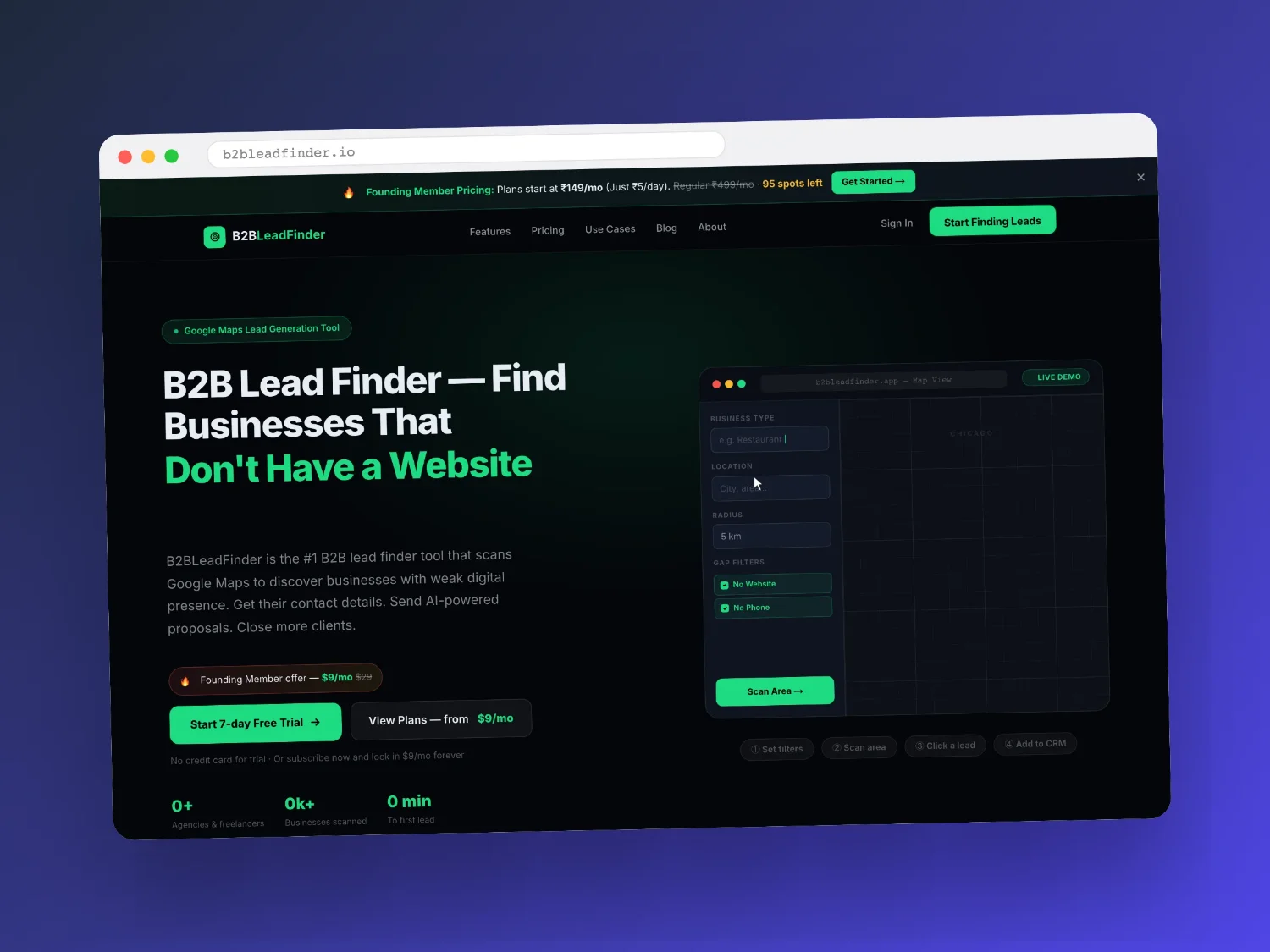
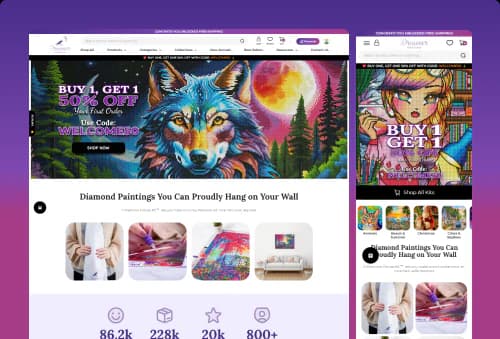
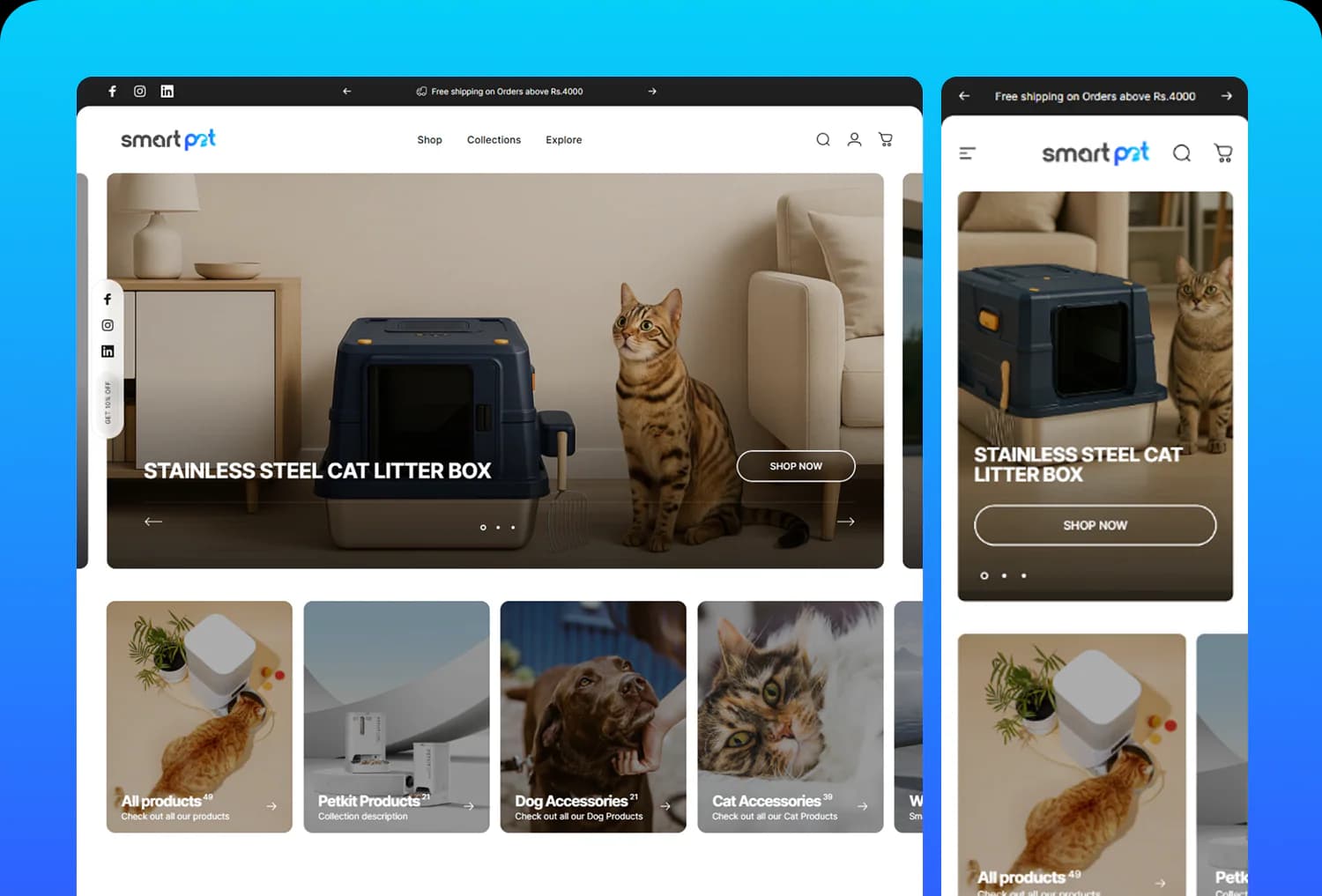
Stores we have built.


The app question every DTC founder eventually asks
At some point, usually after a good year, the idea arrives: should we build a mobile app? A competitor launched one. A customer asked for it. An app-builder rep promised push notifications would lift retention. It feels like the natural next step for a brand that's growing up.
For most DTC brands, it's the wrong step — or at least a premature one. An app is a second storefront to design, build, and maintain forever, plus two app-store review processes and a customer base you have to convince to download something. The brutal reality of consumer apps is that most installed apps are opened a handful of times and then ignored; the average phone has dozens of apps the owner never touches. Building an app your customers don't open is one of the most expensive mistakes a DTC brand can make, and the industry is happy to sell it to you because the build is lucrative.
So we start every app conversation the same way: with the math on whether you should build one at all. If the numbers say no — and for most brands they do — we'll tell you, and you'll keep your money for something that moves revenue more. If the numbers say yes, then an app becomes one of the highest-retention assets you can own.
Should you actually build a mobile app?
This is the question the whole page is built around, so here's the honest framework. An app pays back through repeat purchases — it's a retention tool, not an acquisition one. Nobody discovers your brand through your app; they download it because they already buy from you enough to want a faster way to do it. That means the math hinges on how often your customers come back.
The rough thresholds where an app starts to make sense:
- Repeat-revenue share: roughly 30% or more of your revenue comes from repeat customers. Below that, you're an acquisition-stage brand, and an app does nothing for the customers you don't have yet.
- Purchase frequency: your average customer buys more than about four times a year. Apps reward habit; a product people buy once or twice a year doesn't earn a place on their home screen.
- Absolute base: you have enough loyal customers that even a fraction installing the app is a meaningful audience — an app with 200 active users rarely justifies its maintenance.
If you clear those, an app can lift retention meaningfully: push notifications (that people actually opted into), faster repeat checkout, loyalty, and a home-screen presence compound for brands customers already love. If you don't clear them, a fast, well-built mobile website does the same job for a fraction of the cost — and that's the honest answer most brands need to hear. Categories where this tends to work: supplements and consumables, beauty restocks, pet, coffee, and fashion brands with devoted repeat buyers. Categories where it usually doesn't: considered one-time purchases, furniture, most gifting.
What we build
When the math works, an app build with us typically includes:
React Native app (iOS & Android)
One cross-platform codebase shipping to both the App Store and Play Store — native-feeling, not an obvious wrapper.
Store integration
Wired straight into Shopify — catalog, cart, customer accounts, and checkout — so the app and your store share one source of truth.
Shared codebase with web
Architecture that shares logic with your web store, so brand, inventory, and pricing stay in sync and one team maintains both surfaces.
Push notifications & loyalty
Opt-in push, segments, and loyalty or rewards integration — the retention features that are the actual reason to have an app.
App Store & Play Store submission
Both review processes managed — listings, assets, compliance, and the back-and-forth — through to live in both stores.
Performance & native feel
Smooth animation, fast launch, and platform-correct interactions — an app that feels native, not like a website in a frame.
Analytics & engagement tracking
Install, retention, and revenue tracking so you can see whether the app is actually earning its keep — and improve what isn’t.
Maintenance & OS updates
Ongoing care for iOS and Android OS updates, library changes, and feature work — apps break without it, so it’s a planned retainer.
One codebase, web and app in sync
When an app is the right call, how it's built decides whether it's an asset or a liability. We build in React Native, which means a single cross-platform codebase ships to both iOS and Android, and shares logic with your web store rather than living as a separate island. The practical payoff: your brand, catalog, and inventory stay in sync across web and app, one team maintains both surfaces instead of two, and updates don't require separate native development cycles for each platform. That's the difference between an app that keeps pace with your store and one that quietly drifts out of date.
The objection to React Native is that it feels less "native" than Swift or Kotlin. Built carelessly, that's true. Built well, users can't tell. Our work is the proof: Mora is a React Native shopping app we built with an iOS-26-style liquid-glass aesthetic — a FloatingTabBar using @react-native-community/blur and react-native-reanimated, tuned for smooth performance on real devices. It's built so it doesn't read as React Native to the user, which is exactly the point. Cross-platform should be invisible to your customer and only visible on your maintenance bill, where it saves you money.
So when we build your app, you get the economics of one codebase without the usual cross-platform tax of a clunky, web-in-a-frame feel. Native where it counts — the experience — and shared where it pays, which is everywhere else.
How an app build runs
App readiness check
We run the repeat-purchase math on your actual numbers and tell you whether to build at all. Sometimes the deliverable is "your money is better spent elsewhere."
Scope & design
If it pays back, we design the app and its retention features, and agree a fixed scope — built around what actually drives repeat purchase.
Build & integrate
React Native build wired into your store, with push, loyalty, and analytics — shipped in sprints with installable builds you can test throughout.
Launch & maintain
Both store submissions, launch, and then OS-update maintenance and feature work via a retainer — because an unmaintained app degrades fast.
What a mobile app costs
An app is a significant investment, which is exactly why the readiness check comes first. When the math works, branded apps — a well-built React Native app wired into your store with push, loyalty, and the core retention features — start at $35,000 and run to $80,000 depending on scope. Apps with heavier custom features, complex integrations, or bespoke experiences run $80,000 to $150,000. Apps with significant custom backend infrastructure can run beyond that. Maintenance is separate and non-optional: ongoing care for OS updates and feature work starts at $3,000/month.
What moves the number:
- Feature depth: a clean store-connected app is very different from one with custom configurators, AR, or bespoke loyalty mechanics.
- Integrations: each system beyond Shopify the app connects to adds scope.
- Design ambition: a distinctive, animation-rich experience takes more than a standard template.
- Content and catalog complexity: large or unusual catalogs add work.
What's not included: the Apple and Google developer-account fees, and any third-party services the app uses. We scope fixed after the readiness check — and if the math says don't build, that's the most valuable thing the check can tell you.
Ready to talk?
Tell us your repeat-purchase rate and customer frequency, and we'll tell you honestly whether an app pays back for you — or whether your money is better spent elsewhere.
Reply within 1 business day. Real read, not a sales call.
Who this is for (and who it isn’t)
This is for established DTC brands with a genuine repeat-purchase profile — the supplement, beauty, pet, coffee, or fashion brands whose customers buy often and would genuinely use a faster, loyalty-driven way to reorder. If your numbers clear the thresholds above and retention is where your growth is, an app can be one of the best assets you own.
Who it's explicitly not for:
- Acquisition-stage brands. If most of your revenue is first-time buyers, spend on conversion and acquisition, not an app those customers won't download.
- Low-frequency categories. If customers buy from you once or twice a year, an app won't earn its place on their phone — a fast mobile site is the right call.
- Anyone building an app because a competitor did, or because it sounds like the next step. "Modern" is not a reason; repeat-purchase math is.
- Brands without the budget for ongoing maintenance. An app is a permanent commitment; an unmaintained one breaks on the next OS update.
We disqualify wrong-fit buyers on the readiness check, because an app built for a brand whose customers never open it is money set on fire — and we'd rather keep your trust than take that build.

React Native vs the other ways to get an app
| React Native (Proscube) | Native (Swift/Kotlin) | Mobile web / PWA | App-builder (e.g. Tapcart) | |
|---|---|---|---|---|
| Codebase | One, shared with web | Two, separate | Your website | Their template |
| Native feel | Native when built well | Fully native | Web feel | Templated |
| Build cost | $35K–$150K | Higher (×2 platforms) | Low | Low + monthly fee |
| Maintenance | One team, one codebase | Two teams/skillsets | Same as your site | Locked to their platform |
| Customization | Full | Full | Limited to web | Limited to template |
| Best for | Most DTC apps | Heavy native needs | Most brands, honestly | Fast, cheap, generic |
Related services
When you have repeat customers, not before. An app is a retention tool: people download it because they already buy from you often, so the math depends on repeat behavior. As a rough guide, an app starts to pay back when about 30% or more of revenue comes from repeat customers and your average customer buys more than roughly four times a year, with enough loyal customers that a fraction installing is still a real audience. Below those thresholds, a fast mobile website does the same job for a fraction of the cost — and we'll tell you so on the readiness check rather than sell you a build your customers won't open.
With React Native you largely don't have to choose — one codebase ships to both, so we typically launch on both stores together. If there's a reason to stagger (budget, or an audience heavily skewed to one platform), we'll start where your customers actually are. For most DTC brands in the US, that skews iOS, but we look at your analytics rather than assume — the answer is in your own traffic.
React Native for the large majority of DTC apps. It gives you one codebase across iOS and Android, shared logic with your web store, and — built well — an experience users can't distinguish from native, at a meaningfully lower build and maintenance cost. Fully native (Swift/Kotlin) is the right call when an app leans hard on platform-specific hardware or performance edge cases. For a store-connected commerce app, React Native is almost always the better economics for the same user experience.
Both stores review apps before they go live, and we manage the whole process — listings, assets, privacy disclosures, and compliance with each store's guidelines. Apple's review is the stricter of the two and apps are sometimes sent back on the first submission for guideline issues; Google's is generally faster. Plan on roughly one to two weeks of review once the app is complete and submitted, sometimes with a revision round. Because we've shipped through both, we build to their requirements from the start to keep the rounds to a minimum.
Real, and non-optional — this is the part brands underestimate. iOS and Android release OS updates on a schedule, libraries change, and an unmaintained app eventually breaks or gets pulled for being out of date. Maintenance covers OS-update compatibility, library upgrades, bug fixes, and feature work, via a retainer from $3,000/month. We're upfront about this before you start, because an app is a permanent commitment, not a one-time build — if you can't fund the upkeep, that's a reason not to build.
They work when they're earned and targeted, and they annoy people into uninstalling when they're not. The wins come from opt-in, relevant push — restock reminders, order updates, genuinely useful drops — tied to customer segments, not blasting your whole list daily. That's why an app only makes sense for brands customers already love: engagement features amplify an existing relationship, they don't create one. We build the segmentation and timing to respect the customer, because the fastest way to kill an app's value is to make its notifications something people swipe away.
Got a project?
Does an app actually pay back for you?
Send us your store URL or your idea. You’ll hear back within one business day — an honest read on whether we’re the right fit. No sales call, no slide deck.