
Industry
Beauty & Skincare
Skincare is bought on belief and kept on results. The store has to make the evidence legible at the moment of decision, give a first-time buyer a low-risk way in, and then earn the repurchase that makes the category profitable.
Proof in this category
Work we can show you.
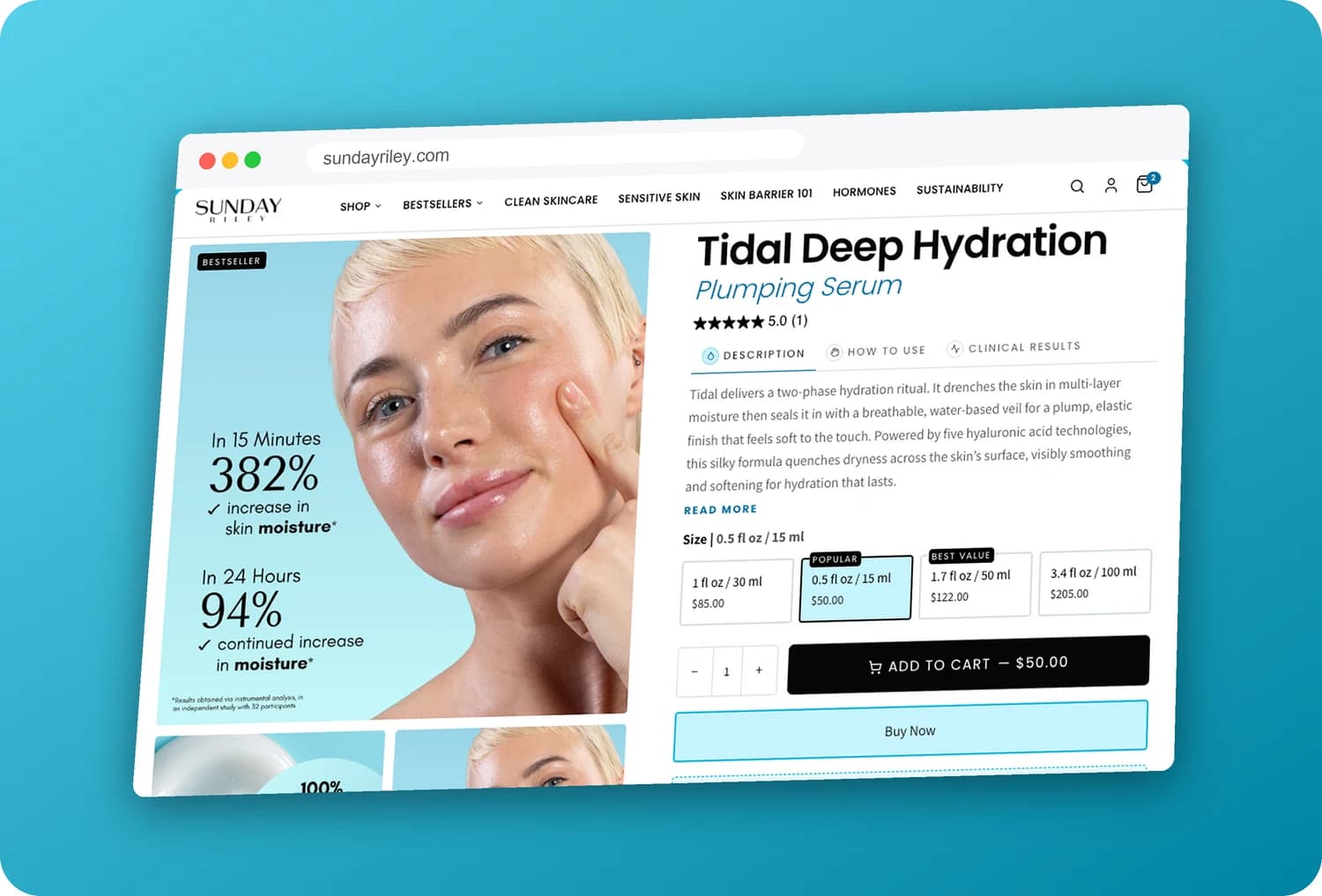
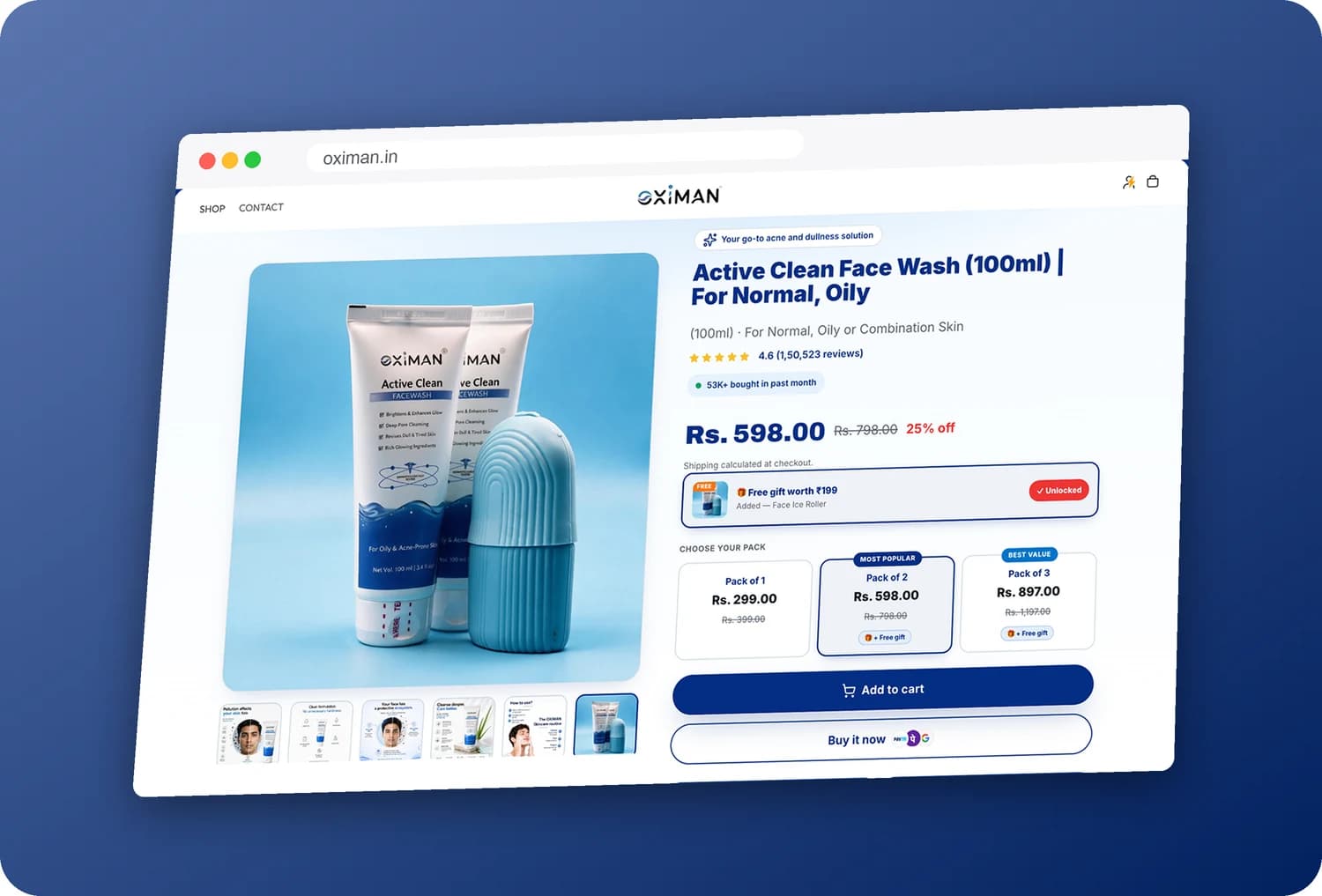
What is different about this category
Beauty and skincare is a proof-and-routine business. The purchase is driven by evidence — clinical results, ingredient credibility, other people’s outcomes — and the economics are driven by whether the customer comes back in six weeks. Most skincare stores hold genuinely strong proof and file it behind an accordion, then present a single size at a single price and wonder why first-time conversion is low.
Where it gets hard
The problems this category actually has.
Each one is the same shape: the version that leaks money on the left, the version that converts on the right.
The proof is on the page but not at the decision
Clinical percentages, trial data and certifications usually sit in a tab, a carousel or below the fold. It is the strongest thing these brands own, and it is almost never beside the price where the hesitation actually happens.
One size is one hurdle
A single SKU at a premium price gives a first-time buyer no low-risk way in and a convinced buyer nowhere to go. Trial sizes and larger formats change the shape of the decision more than any copy change does.
Ingredient literacy has risen
Buyers read INCI lists, check concentrations and compare actives across brands. Vague benefit language now reads as evasion, and a store that will not state its formulation plainly loses to one that will.
Products are bought as routines, sold as items
Cleanser, serum, moisturiser and SPF are used together but merchandised separately. That leaves both average order value and customer results on the table — a single product used alone often underdelivers, which costs the repurchase.
Skin type fragments everything
Oily, dry, sensitive, acne-prone, ageing — the right product varies by person, and a collection page that ignores that asks every visitor to self-diagnose from a grid.
How we build for it
What we do differently here.
Each one shown as it runs on a store we built — not an illustration of the idea.
Move the evidence to the buy button
Clinical results, trial participant counts and third-party testing surfaced beside the price rather than inside a tab. Specific and attributable — "382% increase in skin moisture in 15 minutes, independent study, 52 participants" — outperforms an adjective every time.
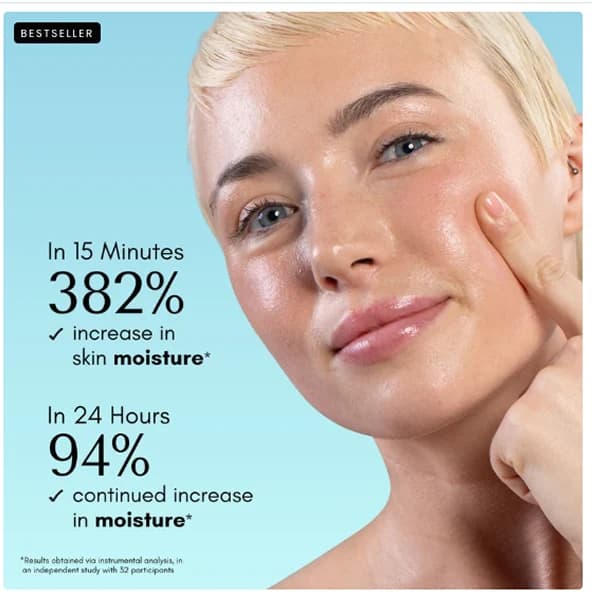
Sunday Riley — the clinical result carried into the gallery
Build a size ladder with a real entry point
A trial size that lowers the cost of being wrong, a standard size, and a larger format with the unit price shown so trading up is legible. The cheapest way to win a sceptical first-time buyer is to make the first purchase small.
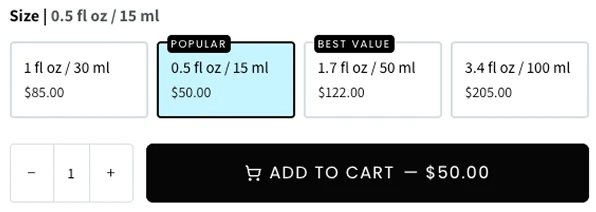
Sunday Riley — four sizes, a $50 way in, price on the button
Structure the formulation, do not dump it
Actives, concentrations and full ingredient lists in tabbed sections, so the buyer who wants to scrutinise can and the buyer who does not is never blocked by it.
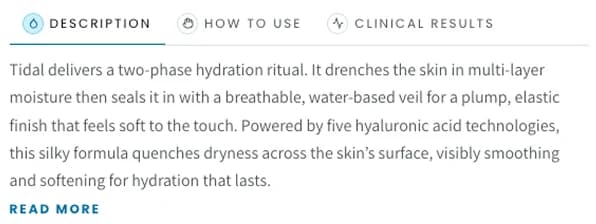
Sunday Riley — description, how to use and clinical results as tabs
Merchandise the routine
Bundles and regimen sets that reflect how the products are actually used, which raises order value and improves the result the customer gets — and the result is what drives the repurchase.
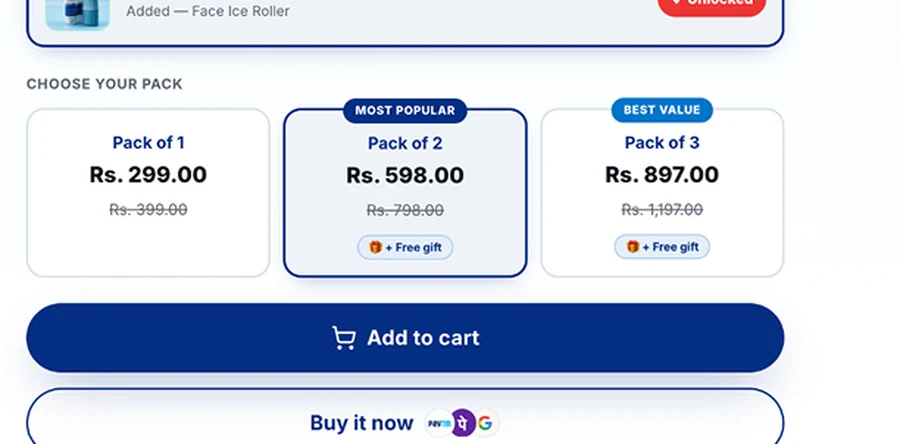
Oximan — a free gift that unlocks on the larger packs
Show real outcomes
Before-and-after photography and customer video placed near the decision. In a category built on scepticism, watchable proof does work that a star rating cannot.
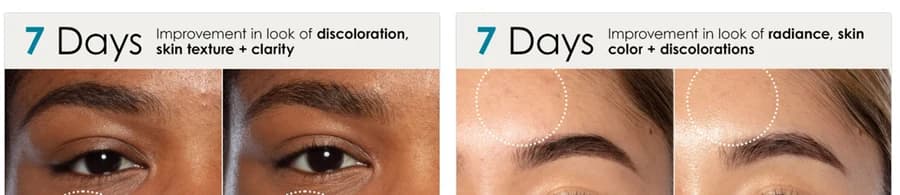
Sunday Riley — 7-day before and after, on the product page
Common questions
Beauty & Skincare, answered.
You can publish what you can substantiate, and you should — attributable results are the most persuasive asset a skincare brand has. What you cannot do is imply a drug claim. We structure pages so the substantiated data leads and the language stays within the category rules; your regulatory counsel signs off on the wording, not us.
Usually yes for a high-price serum or treatment, because the barrier is risk rather than price. A trial size converts a sceptical first-time buyer and gives you a customer to sell the full size to. For a low-price cleanser it is often just cannibalisation — we would model it before recommending it.
When the range genuinely varies by skin type and concern, a short quiz can outperform a collection page and produces useful segmentation data. When the range is narrow it adds a step and costs conversions. The test is whether a real customer could pick correctly without it.
Get the first result right, then make reordering effortless. Most skincare churn is not a pricing problem — it is a customer who used one product alone, saw nothing in four weeks, and left. Routine merchandising, honest timelines for visible results, and replenishment timed to actual usage do more than a discount.
Yes. The mechanics are the same — proof, a sensible pack ladder, clear routines — but the copy and the pace differ: men’s grooming tends to reward directness and simpler regimens over the ritual language that works in prestige skincare.
How we help beauty & skincare brands
Selected work
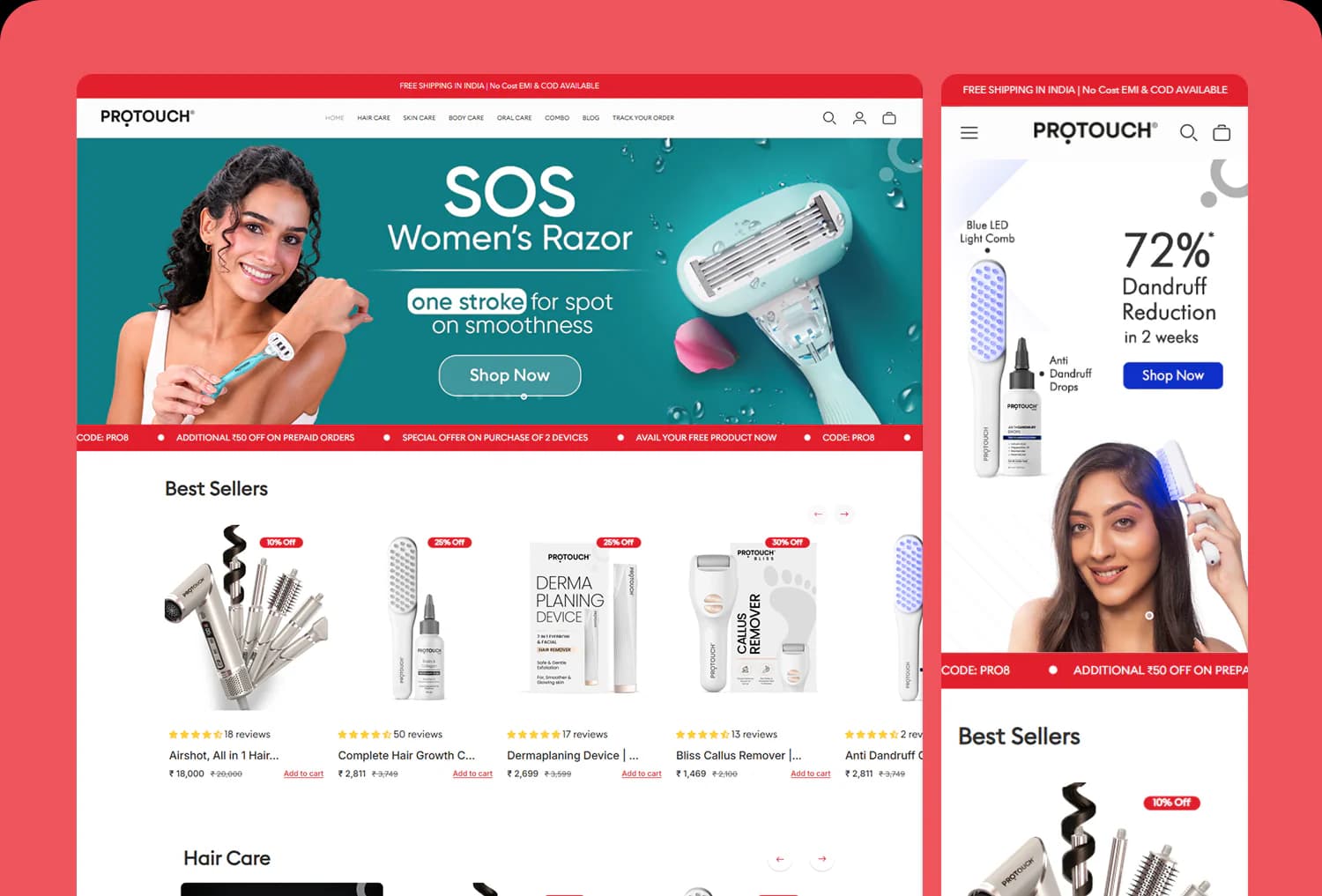
Shopify for skincare, beauty and grooming brands.
We rank for
The searches that bring beauty & skincare brands to us.
- skincare Shopify development
- beauty ecommerce development
- DTC skincare website
- cosmetics ecommerce design
- men’s grooming ecommerce