
Custom CRM —when off-the-shelfgenuinely doesn't fit.
Custom CRM development and internal tools for teams that have actually outgrown off-the-shelf — not a HubSpot reskin. Here's the honest part most agencies won't lead with: most teams should stay on HubSpot or Pipedrive, and we'll tell you if that's you. When custom genuinely pays back, we build it from scratch, to production standards.
By Manpreet Singh, Founder · Proscube
Proof
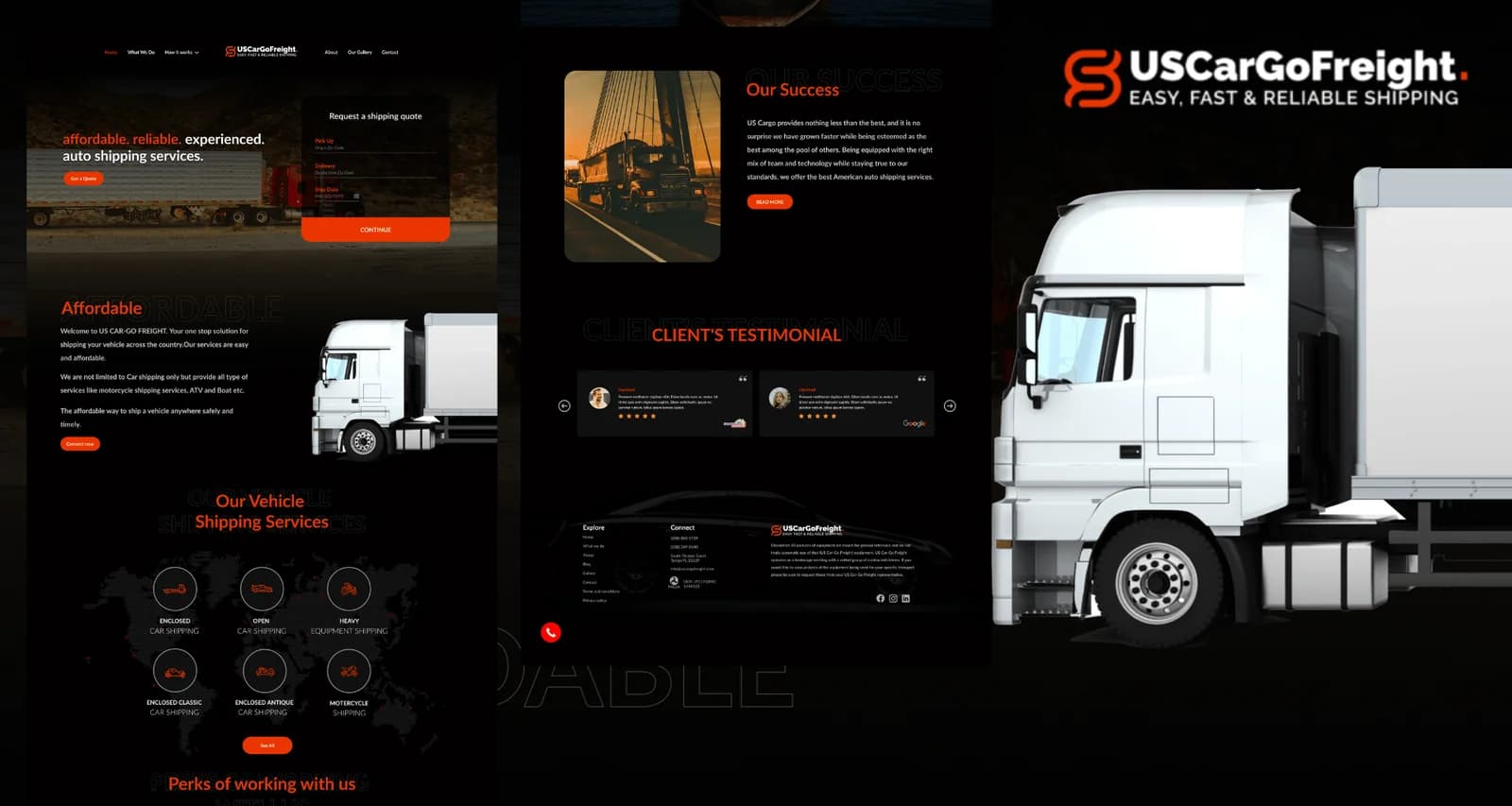
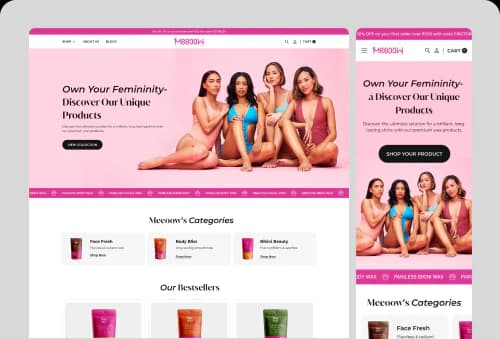
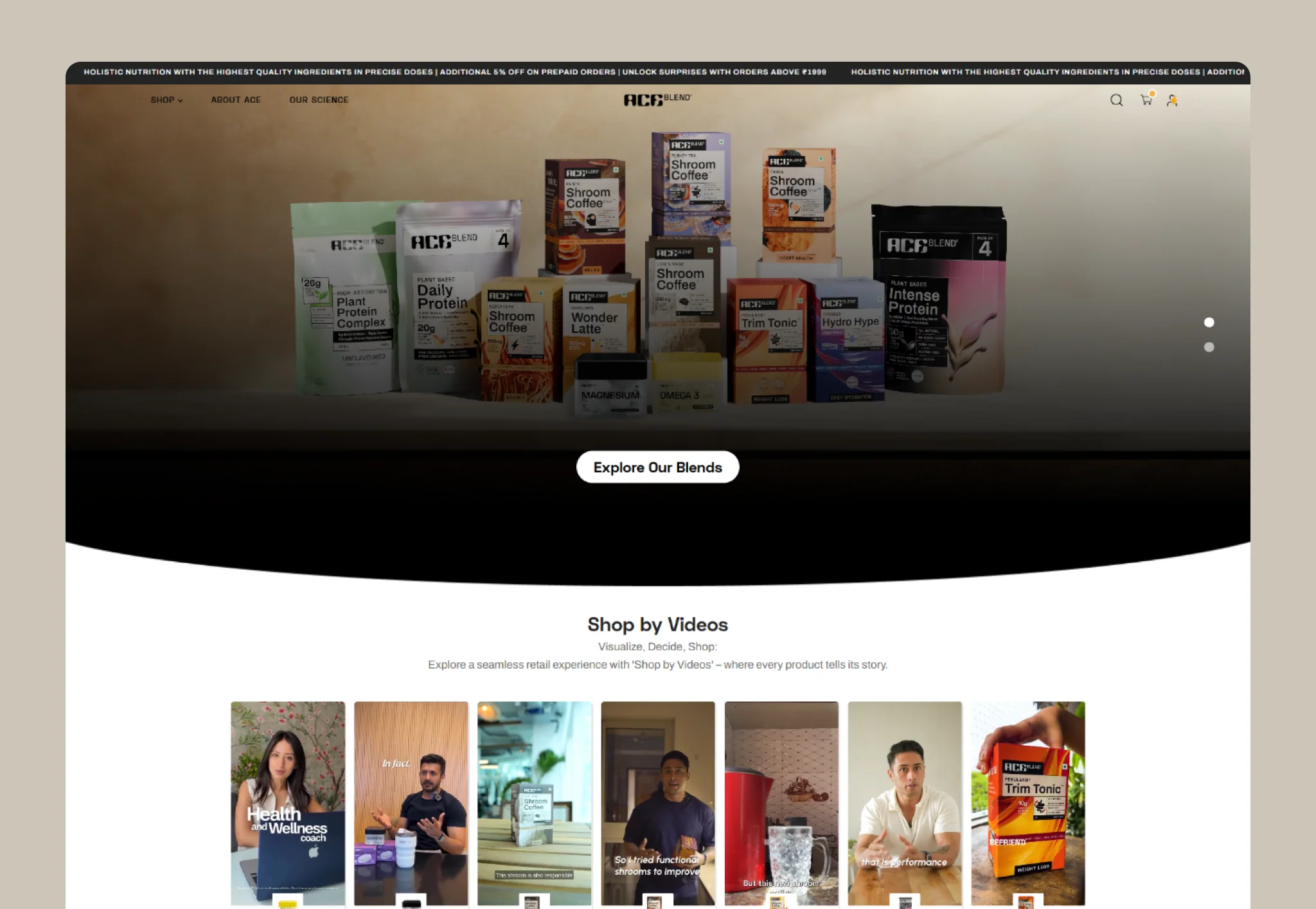
Stores we have built.


When the spreadsheet breaks — or the SaaS bill stops adding up
Two different teams end up needing this, and you're probably one of them.
The first runs the business on spreadsheets and a patchwork of tools, and it's starting to crack. The sheet that tracks leads or orders or operations has become load-bearing, three people edit it, and nobody fully trusts it. Things fall through gaps between tools that don't talk to each other. The process lives in someone's head, and the team has outgrown what a spreadsheet can safely hold — but no off-the-shelf product maps cleanly onto how you actually work.
The second already pays for a CRM — HubSpot, Salesforce, something — and the bill has stopped making sense. You're on a per-seat plan, paying for a long list of features your team never opens, and the parts you do need are bent awkwardly to fit the tool's idea of a pipeline rather than yours. Every new seat is another line item, and the platform fee climbs faster than the value you get from it.
Both are real reasons to consider a custom build. Both are also reasons that, more often than not, resolve without one. So before we talk about building anything, we'll talk about whether you should.
Off-the-shelf CRM vs custom — which is right for you?
We'll be blunt, because this is the section that saves you the most money: most teams should not build a custom CRM. HubSpot, Pipedrive, and the rest are cheap relative to custom software, maintained by someone else, and good enough for the majority of sales and ops processes. If an off-the-shelf tool fits, use it — and we'll tell you so on the assessment instead of selling you a build.
Custom only starts to pay back past specific thresholds. The concrete ones:
- Seat count: under roughly 15 active CRM users, off-the-shelf almost always wins on cost. Per-seat pricing is cheap at small scale; a custom build's fixed cost can't amortize.
- Workflow rigidity: when your sales or ops process genuinely doesn't map onto the tool's stages — when you're fighting the CRM's model every day or maintaining workarounds — custom can pay back.
- Integration ceiling: when you need five or more deep, custom integrations that off-the-shelf APIs don't support, the tool stops being the hub and starts being a bottleneck.
- Data ownership: when a regulatory or contractual obligation requires self-hosted data or control an SaaS vendor can't give you.
- Margin pressure: when per-seat SaaS costs (often at higher seat counts) exceed what a custom build would amortize over about 24 months, the math flips.
If none of those describe you, stay off-the-shelf — genuinely. Custom CRM development is for a narrow buyer in specific situations, and the fastest way to waste money in this category is to build when you could have subscribed. If one or more of those thresholds is clearly you, that's when this work earns its cost. And if your workflows really live inside Shopify — order ops, fulfilment, merchandising — a custom Shopify app embedded in the admin often beats a separate CRM.
What we build
When custom is the right call, the work usually falls into these:
Custom CRM & pipelines
A CRM modeled on how your team actually works — your stages, your fields, your logic — instead of bending your process to fit a product.
Internal tools
The operational tools spreadsheets are standing in for: order and inventory ops, approvals, status tracking — purpose-built and trustworthy.
Workflow automation
The manual, repetitive steps between systems automated — routing, notifications, status changes, scheduled jobs — so the team stops doing them by hand.
Integrations
Deep connections between the systems you run — Shopify, ERP, accounting, support, payments — so data flows instead of getting re-keyed.
Dashboards & reporting
Internal dashboards that show the numbers your team actually decides on, pulled live from your systems rather than assembled by hand each week.
Roles & permissions
Role-based access so the right people see and edit the right things — the access control off-the-shelf tools gatekeep behind higher tiers.
Data ownership & hosting
Self-hosted, owned data where you need it — for control, compliance, or contractual reasons an SaaS vendor can’t satisfy.
Ongoing development
A retainer relationship for the changes a living system needs as your process evolves — not a build that’s abandoned at launch.
We build from scratch — and we run our own production systems
Most "CRM agencies" don't build CRMs. They implement or reskin an existing one — HubSpot consultants who configure HubSpot, Salesforce integrators who configure Salesforce. That's useful work if off-the-shelf is your answer, but it's not custom software; it's configuration, and it inherits all the limits of the underlying tool. We build from scratch when the off-the-shelf genuinely doesn't fit — and, just as importantly, we tell you honestly when it does.
We hold ourselves to that standard because we run our own production systems the same way. LeadRadar is our own B2B lead-generation SaaS — built on Next.js, Prisma, and Postgres, with custom workflow orchestration through Inngest, Google Maps and Places API integration, authentication via NextAuth, and payments through Razorpay. We ship and maintain it to the same standards we'd bring to your system. We also automated our own CRO audit-report workflow because the manual version didn't scale — the kind of internal-tool problem clients bring us, solved on ourselves first.
Beyond our own products, we've built operations systems for clients under confidentiality. The throughline is that we approach a custom build as software to be owned and maintained — architected, documented, and handed over properly — not a one-off script that breaks the first time your process changes.
How a build runs
Build vs buy assessment
We map your process, tools, seat count, and integration needs — and give you a straight answer on whether to build, buy, or stay put. Sometimes the deliverable is "don't build."
Scope & design
If custom is right, we design the data model, workflows, and integrations, and agree a fixed scope before development starts.
Build & integrate
Development in sprints with working demos, integrations wired and tested, and your team brought in early so it fits how they actually work.
Launch & evolve
Rollout, training, and documentation, then ongoing development as your process changes — via a retainer for systems that keep growing.
What custom CRM development costs
Custom software is a bigger commitment than a SaaS subscription, which is exactly why the build-vs-buy question comes first. When custom is the right call, smaller internal tools — a focused dashboard, a single workflow, one integration — run $5,000 to $15,000. Full custom CRM builds run $15,000 to $80,000, depending on workflow complexity, the number and depth of integrations, and user count. Genuinely complex multi-team builds with many deep integrations can run beyond that, into six figures. Ongoing development, for the changes a living system needs, starts at $4,000/month.
What moves the number:
- Workflow complexity: a simple pipeline is very different from multi-team operations with approvals and conditional logic.
- Integrations: each system the tool connects to deeply adds scope.
- User count and permissions: more roles and finer-grained access mean more to build and test.
- Data and hosting requirements: self-hosting and compliance needs add infrastructure work.
What's not included: third-party services and hosting, which we size with you. We scope fixed after the assessment — and if the honest answer is that an off-the-shelf tool serves you better, the assessment will say so, and you'll have saved far more than it cost.
Ready to talk?
Tell us where your process is breaking and what you're paying for tools. We'll give you a straight build-vs-buy answer — including "stay on what you have" when that's the right call.
Reply within 1 business day. Real read, not a sales call.
Who this is for (and who it isn’t)
This is for a narrow buyer, on purpose: teams that have hit one or more of the thresholds above — enough seats, rigid workflows, deep integration needs, data-ownership obligations, or SaaS costs that have outgrown a custom build's amortized cost. Usually that's an operator with a growing team where the spreadsheet has become a liability, or one paying for an enterprise CRM whose fit and bill no longer make sense.
Who it's explicitly not for:
- Teams under ~15 CRM users with a process that fits a standard tool. Use HubSpot or Pipedrive; you'll spend a fraction and get more, and we'll tell you exactly that.
- Anyone who wants custom because it sounds better than "we use HubSpot." Owning software is a cost, not a status symbol — it needs maintenance forever.
- Teams without the appetite to maintain a system long-term. Custom software isn't a one-time purchase; if you can't commit to evolving it, off-the-shelf is the safer choice.
We disqualify wrong-fit buyers on the first call, because a custom build sold to someone who didn't need it is the worst outcome for everyone — including us.
Custom vs off-the-shelf vs implementation
| Custom (Proscube) | HubSpot / Pipedrive | HubSpot/Salesforce consultant | Spreadsheets | |
|---|---|---|---|---|
| Best for | Past the thresholds | Most teams | Off-the-shelf, configured | Smallest teams |
| Fits your exact process | Yes, built to it | Mostly, with compromises | Within the tool’s limits | Until it breaks |
| Cost at small scale | High (fixed) | Low (per seat) | Tool + fees | Near zero |
| Cost at large scale | Amortizes | Climbs per seat | Climbs per seat | Hidden in errors |
| Data ownership | Full / self-host | Vendor-held | Vendor-held | Yours, fragile |
| Deep custom integrations | Unlimited | API limits | API limits | Manual |
| Honest fit advice | We say "buy" when it fits | N/A | Sells the tool | N/A |
Related services
For most teams, HubSpot or Pipedrive — genuinely. They're inexpensive per seat, maintained for you, and good enough for the majority of processes. Custom only pays back past specific thresholds: roughly 15+ active users, a process that doesn't fit the tool's model, five or more deep integrations off-the-shelf APIs can't support, data-ownership obligations, or per-seat costs that exceed an amortized custom build. If one or more of those is clearly you, custom is worth assessing. If not, stay off-the-shelf — and our assessment will tell you that rather than talk you into a build.
Yes — deep integration is usually the whole point of going custom. We connect to the systems you already run: Shopify, ERP, accounting, support, payment, and marketing tools, through their APIs and webhooks. We build our own products this way too, integrating services like mapping and payment providers into production systems. During the assessment we inventory every tool you need connected and confirm what's possible before any commitment.
We do, via an ongoing development retainer — and this matters more for custom software than people expect. Unlike a SaaS product where the vendor patches and updates for you, a custom system needs an owner for fixes, dependency updates, and changes as your process evolves. We hand over documented, maintainable code, and most clients keep us on a retainer for ongoing work. If you have an in-house developer who'll own it, we'll set them up to take it over cleanly.
For the things that should be editable, yes — we build admin interfaces and configurable settings so your team can manage data, adjust options, and run day-to-day operations without code. Structural changes — new workflows, new integrations, schema changes — need a developer, the same as any real software. We're upfront in scoping about which changes are self-serve and which aren't, so there are no surprises about what your team can and can't do alone.
It will, and a custom system is built to change with it — that's an advantage over off-the-shelf, where you're stuck with the vendor's roadmap. Process changes become development work: scoped, built, and shipped through the retainer. Because we architect and document the system properly rather than hard-coding one rigid version, evolving it is a normal, planned activity, not a rebuild. That ongoing adaptability is part of why custom is worth it for the teams it suits.
A focused internal tool can be a few weeks; a full custom CRM typically runs roughly two to four months from scope to launch, depending on workflow complexity, integration count, and user roles. We start with a one-week build-vs-buy assessment, then scope and design, then build in sprints with working demos so you see progress throughout. We'll give you a dated plan after the assessment — and if the assessment says buy off-the-shelf instead, you'll have your answer in that first week.
Got a project?
Build, buy, or stay put — let’s figure it out.
Send us your store URL or your idea. You’ll hear back within one business day — an honest read on whether we’re the right fit. No sales call, no slide deck.